
Analysis and Application of WASPAS and MABAC Techniques Based on Picture Fuzzy Soft Einstein Aggregation Operators
DOI:
https://doi.org/10.11113/mjfas.v22n3.4427Keywords:
WASPAS method; MABAC method; Picture fuzzy soft set; Einstein aggregation operatorsAbstract
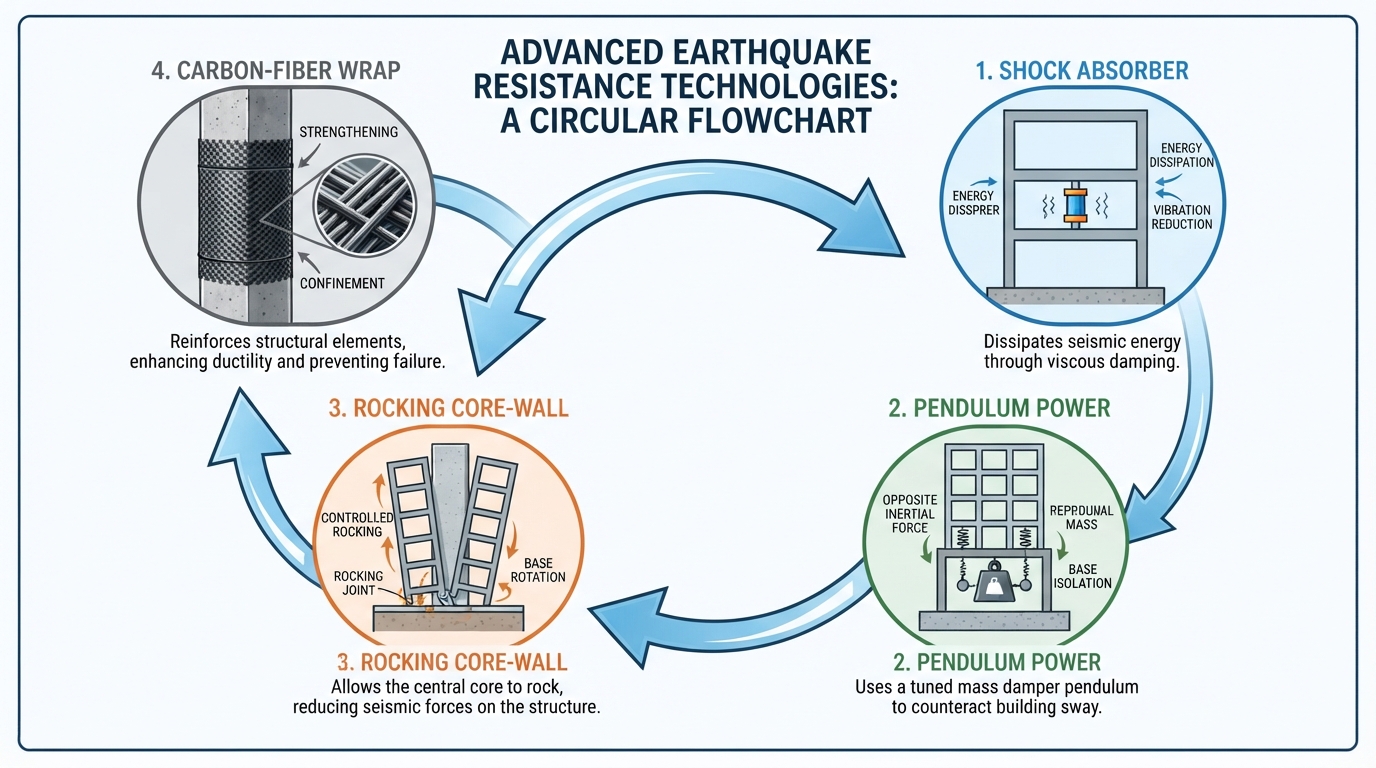
An unexpected arrival of energy in the World's climate that results in seismic waves causes an earthquake. Different technologies are used that help to resist earthquakes like a shock absorber, replaceable fuses, pendulum power, rocking core-wall and carbon-fiber wrap, etc. Fuzzy structures are valuable tools that provide some useful applications in different fields of science and technology. Picture fuzzy soft set (PFSS) has the ability to cover the abstinence grade along with the membership grade and non-membership grade, making this structure a more dominant structure than an intuitionistic fuzzy soft set. Furthermore, the Einstein t-norm (ETN) and Einstein t-conorm (ETCN) are excellent substitutes for algebraic sum and product. Because of PFSS and ETN and ETCN, we have proposed Einstein operating principles for PFS numbers. Moreover, we have developed PFS Einstein average (PFSEA) and PFS Einstein geometric (PFSEG) aggregation operators (AOs). In this article, the weighted aggregated sum product assessment (WASPAS) technique based on PFSEA and PFSEG AOs for the choice of the best technology to help buildings resist earthquakes is proposed. Additionally, the notion of the Multi-attributive border approximation area comparison (MABAC) algorithm is proposed and utilized for the classification of face recognition technologies. Moreover, the comparative analysis of the introduced conception allows us to determine the superiority of the suggested conceptions.
References
NA
Downloads
Published
Issue
Section
License
Copyright (c) 2026 Khizar Hayat, Jabbar Ahmmad, Tahir Mahmood

This work is licensed under a Creative Commons Attribution-NonCommercial 4.0 International License.